
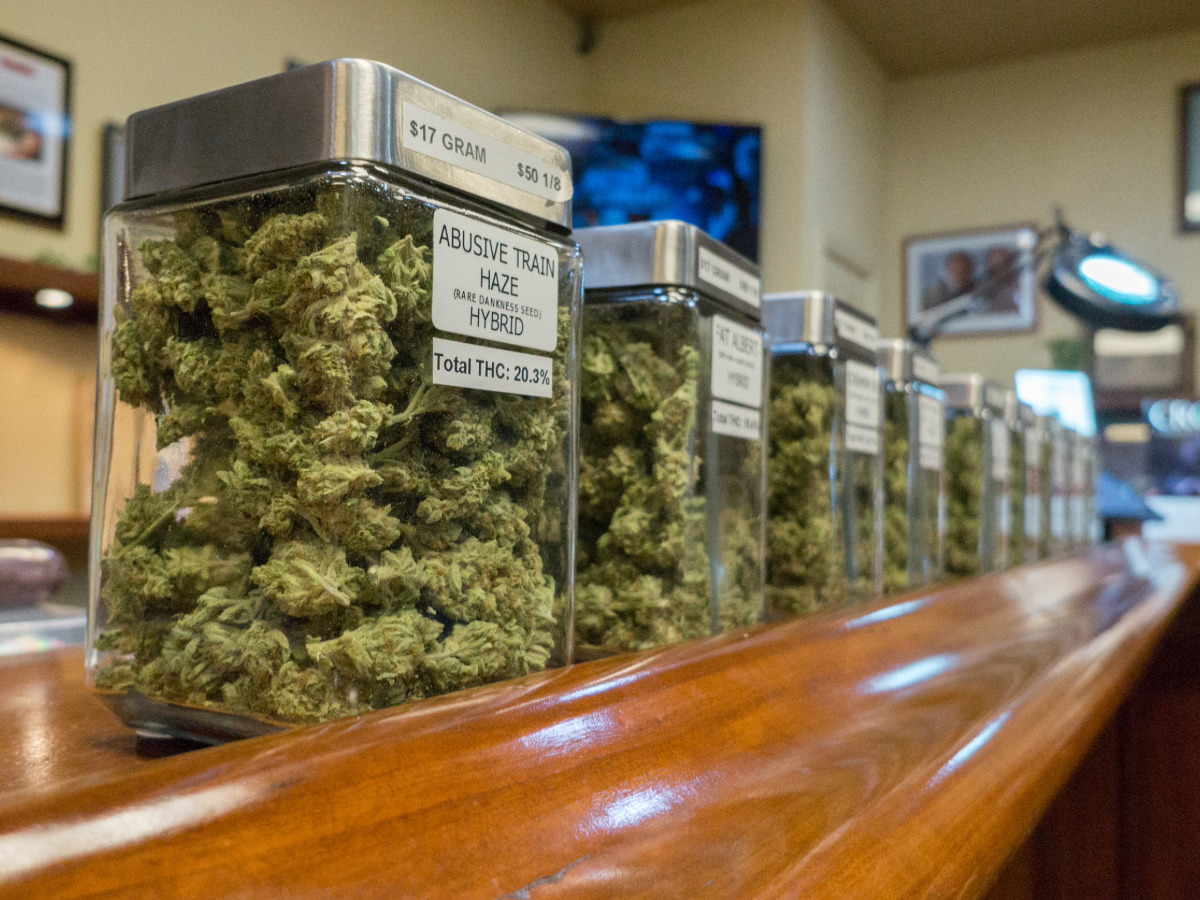
Maybe you have noticed earlier and will agree that one jar of cannabis flower can be different from another.
One smells bright and citrusy, while another may have a deep, earthy aroma.
Their buds may look different, too. Also, two people might experience it differently even when products feature the same indica or hybrid label.
So what makes weed strains different? Genetics, cannabinoids, terpenes, and growing conditions all play a role.
Harvesting and storage methods contribute. The entire story revolves primarily around these factors.
What Makes One Weed Strain Different From Another?
A cannabis strain, or a cultivar, is a plant variety with its own inherited features. These features that make a weed strain different from another strain depend on the following five factors:
1. Genetics
Every strain has its own genetics. Breeders select and cross cannabis plants to develop a new strain type for a particular effect, such as compact growth, dense buds, or distinctive aromas.
Genetics also influence how much THC, CBD, and certain terpenes a plant can produce. You’ve heard of ‘phenotypes’, special variations when seeds from the same parent plants can grow into noticeably different examples.
Clones can help preserve a chosen plant’s genetics. Still, identical genetics don’t guarantee identical flowers if the growing conditions are not the same.
2. Cannabinoid Profile: THC and CBD
THC and CBD are the active compounds of the plant. Both cannabinoids are known for different effects. THC produces the intoxicating high, while CBD is for relaxation.
A strain can contain very different proportions of these compounds.
One flower might be THC-dominant, have a more balanced THC-to-CBD ratio or have smaller amounts of CBG, another cannabinoid.
Does higher THC always mean a better or more predictable experience? No. A list of the strongest cannabis strains might focus on THC percentages, but numbers alone don’t enough for how someone will respond. Dose and individual tolerance matter, too. No.
3. Terpenes Profile
Ever noticed a strain that smells like lemon peel or fresh pine? Terpenes are part of the reason.
These aromatic compounds appear in cannabis and many other plants. Myrcene often contributes earthy or musky notes. Limonene brings a citrus-like scent, while pinene smells, as its name suggests, like pine.
Different terpene combinations help give flower its recognizable character. Other aromatic compounds can contribute as well.
You may hear claims that specific terpenes guarantee relaxation, energy, or focus. Research hasn’t established those one-to-one effects in people. Terpene information is most useful as a guide to aroma, not a promise about how you’ll feel.
4. Growing Conditions and Cultivation
Two growers can start with similar genetics and finish with different-looking buds. Lighting, temperature, humidity, nutrition, and plant care all affect development.
Harvest timing matters as well. So do drying and curing, the steps that prepare flower for storage and sale. Poor handling can flatten aromas or leave buds unusually dry.
These changes don’t necessarily create a new strain. They change how the plant’s inherited potential shows up in the finished product.
5. Indica, Sativa, and Hybrid Labels
Indica, sativa, and hybrid remain familiar shortcuts on cannabis menus. Traditionally, these labels described differences in plant structure and ancestry.
Today, they’re also used to suggest sleepy, uplifting, or balanced effects. The problem is that modern cannabis has been extensively crossbred. Studies have found that these labels don’t reliably match a product’s underlying chemistry.
A guide to types of weed can help explain the familiar categories. When comparing actual products, though, THC, CBD, and available terpene details usually tell you more about their chemical makeup.
Why Can the Same Strain Feel Different?
Even a familiar name doesn’t guarantee the same experience every time. Growers may use different plant material or methods. One batch might have a different cannabinoid profile or be fresher than another.
Your own circumstances matter, too. Tolerance, amount consumed, and method of consumption all influence the experience. Inhaling cannabis usually feels different from eating an edible, even when the cannabinoids overlap.
The practical lesson? Check the current package instead of relying on an old memory of a strain. In Canada’s regulated market, labels provide THC and CBD information; terpene details may also be available.
Bottom Line
What makes one cannabis strain different from another isn’t simply its name or indica label. Genetics shape the possibilities. Cannabinoids, terpenes, cultivation, and post-harvest handling shape the flower you actually get.
Shopping in Edmonton? Even if your search begins with ‘weed dispensary Edmonton‘, compare product labels and batch information before choosing. And remember: no strain name can guarantee a particular effect. Start low, go slow, and avoid driving after using cannabis.