
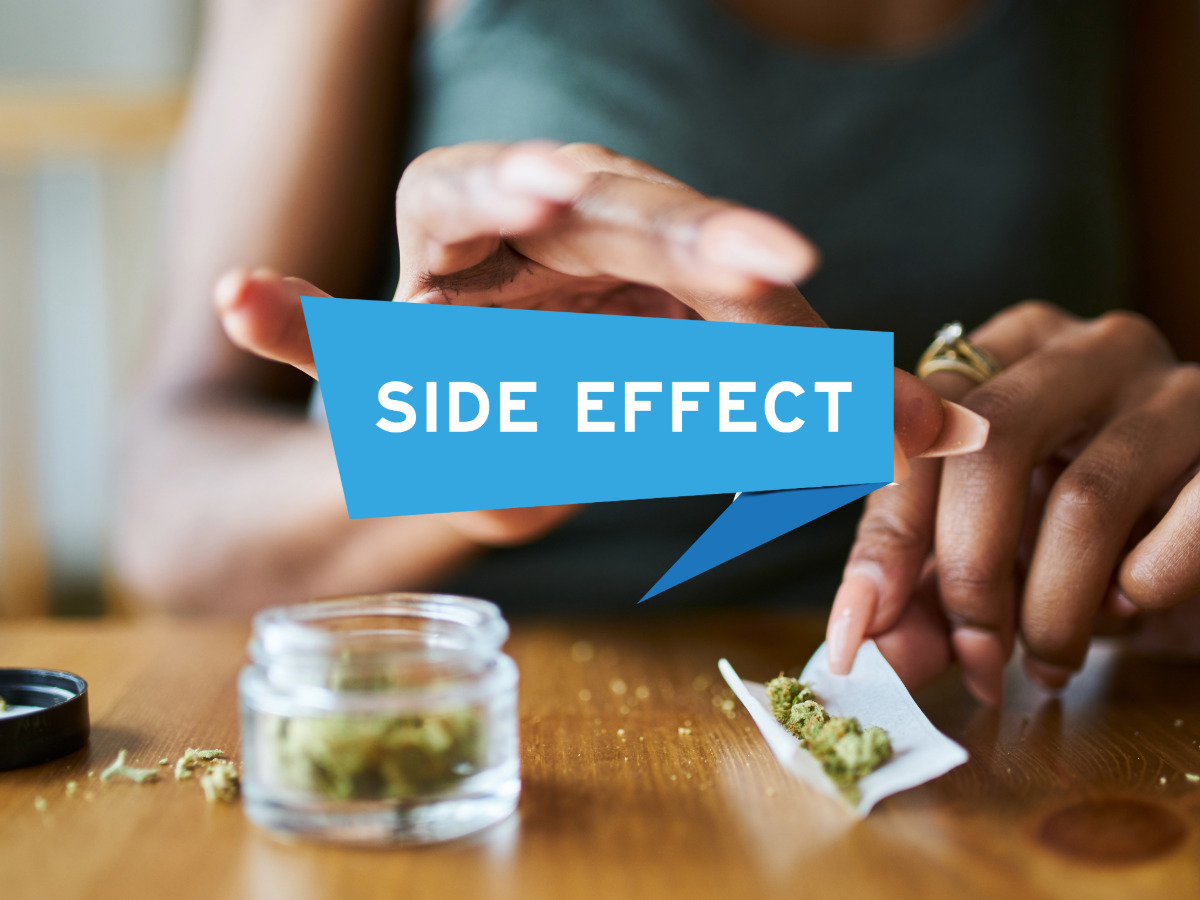
Nobody rolls a joint thinking about their hippocampus. Fair enough — the high’s the point. But knowing what weed actually does to your body- the stuff that fades in an hour and the stuff that builds over years- makes it easier to use it well instead of just using it. And buying from a licensed weed store means the THC number on the label is actually accurate, which matters more than most people think.
What Causes Adverse Effects of Weed?
Some sessions go smoothly. Others don’t. A few things usually decide which one you get.
Highly Potent Strains
THC concentration is probably the single biggest variable here. A 25% strain doesn’t behave like a 12% one, even when smoked in the same amount. Higher potency raises your odds of paranoia, dizziness, or just feeling too far gone. Worth a glance at the label before rolling up, especially with some of the strongest weed strains currently on shelves. Potency isn’t a red flag on its own — it just needs a bit of respect.
High Dose
Taking more than your body can comfortably process is one of the easiest ways a session goes sideways. Edibles make this worse, since onset can take 30 to 90 minutes. People who don’t feel anything right away sometimes eat more, then get hit twice as hard an hour later. Start low, go slow — old advice, still correct.
Frequent Use
Using regularly changes how your body handles THC. Tolerance builds, so you need more over time to feel what a smaller amount used to give you. Some frequent users also notice they feel a bit off without their usual amount. That’s part of why breaks show up so often in people’s routines — not a rule, just something a lot of users find helpful.
Weed Type Matters
Everyone reacts differently to different types of weeds. It depends on how it grows and the ratio of THC to CBD.
Thus, weed with higher THC may feel stronger and can affect thinking, focus, and mood. CBD-rich products are usually considered gentler. Hybrid strains can fall somewhere in between.
The effects of a particular weed type on an individual can help make a choice instead of guessing. One strain may feel mild for one person but too strong for someone else.
Side Effects of Weed
THC level, dose, frequency, product type, personal tolerance — none of it stays constant between people, or even between two sessions for the same person. Some effects show up fast and disappear just as quickly. Others take longer to build and don’t leave as easily. That split, short-term versus long-term, is the one worth actually understanding.
Long-Term Side Effects of Weed
Memory and Focus Issue
Constantly using high doses for a longer period can cause slower recall, decision-making, and concentration issues for users. At the same time, occasional use can impact but doesn’t carry the same weight.
Lower motivation, for some.
A subset of long-term users report feeling less driven day to day. Whether that’s the cannabis or other lifestyle factors is still debated among researchers.
Rising tolerance
Bodies adapt. What got you high a year ago might barely register now, which is exactly why some long-term users end up using noticeably more.
Shifted sleep patterns
Some long-term users lean on cannabis to fall asleep, then notice restlessness or disrupted sleep on nights they don’t use.
Dependence, in some cases
A portion of regular long-term users develop dependence, with mild withdrawal-like symptoms — irritability, trouble sleeping — when they cut back.
Short-Term Side Effects of Weed
Dry mouth and dry eyes
Cottonmouth is the classic one. Shows up within minutes, gone within an hour or two, no big deal.
Impaired coordination
THC slows reaction time and messes with motor control. It’s a big reason driving high isn’t just a bad idea — it’s illegal in Canada.
Short-term memory disruption
At mid-to-high doses, forming new memories can feel foggy or slippery. That clears up once the high does.
Increased heart rate
A temporary spike is common right after use, especially noticeable in the first while. Usually settles within the hour.
Anxiety or paranoia
More likely with high-THC products, and more common in newer users or anyone who overdid the dose. Uncomfortable in the moment, but it passes.
Bottom Line
None of this is a reason to skip cannabis. It’s a reason to be a little more deliberate about it — check the potency, pace the dose, take a break when your tolerance’s climbing faster than you’d like.
For more on that, our guide to resetting your tolerance and our low-THC vs. high-THC breakdown go deeper on both.