
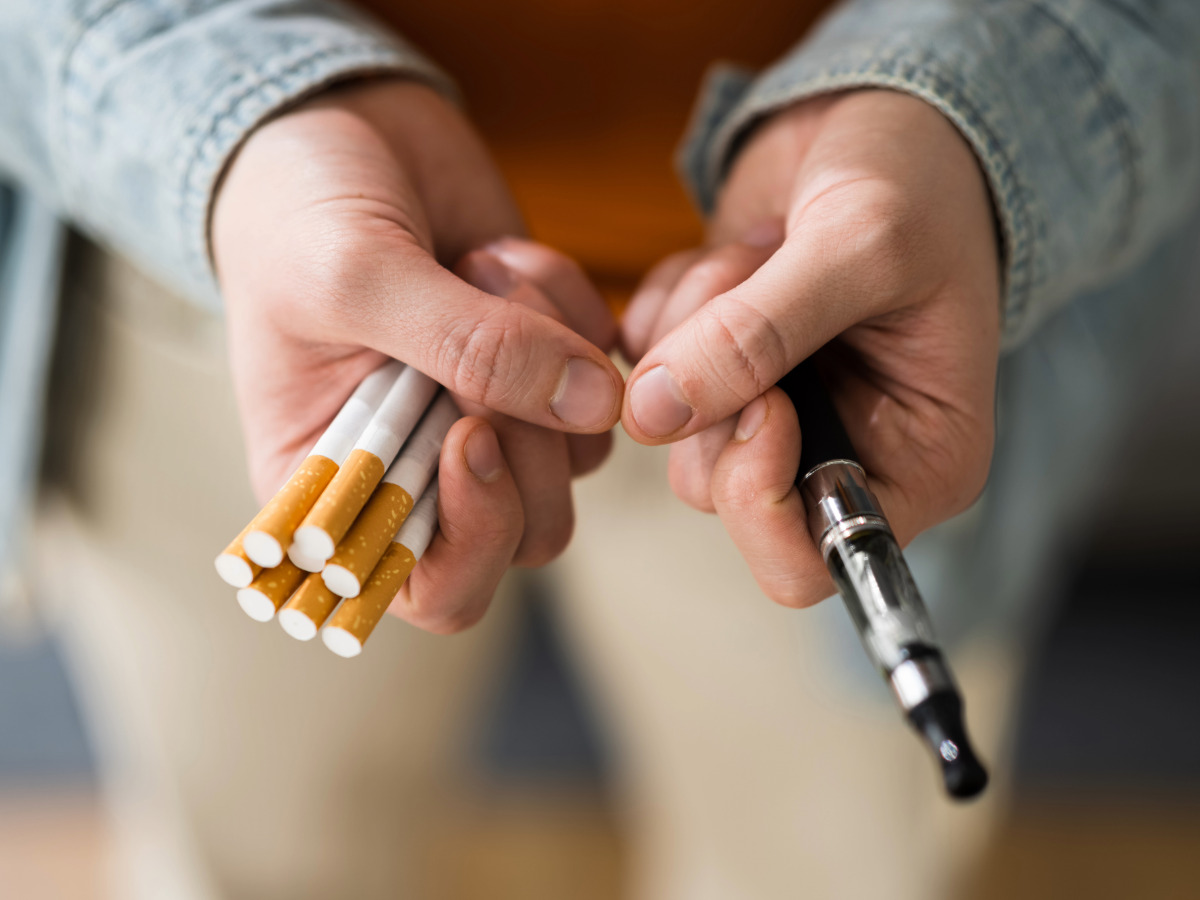
As most users think while switching from cigarettes to vaping, you may also. Would it actually be better for my health? How is vaping different from smoking?
In reality, it isn’t risk-free. But vaping nicotine generally exposes smokers to fewer harmful chemicals than cigarettes. It is considered an alternative to cigarettes. But it will be better only if you have completely switched to it, rather than using both.
What do the experts say about smoking vs vaping?
Vapes vs Smoking: What’s the Actual Difference?
How does each product work? It’s a key difference.

A cigarette burns tobacco. Every puff releases nicotine, tar, carbon monoxide, and other chemicals. Some substances can impact your lungs, heart, and blood vessels.
On the other hand, a vape works in a different way.
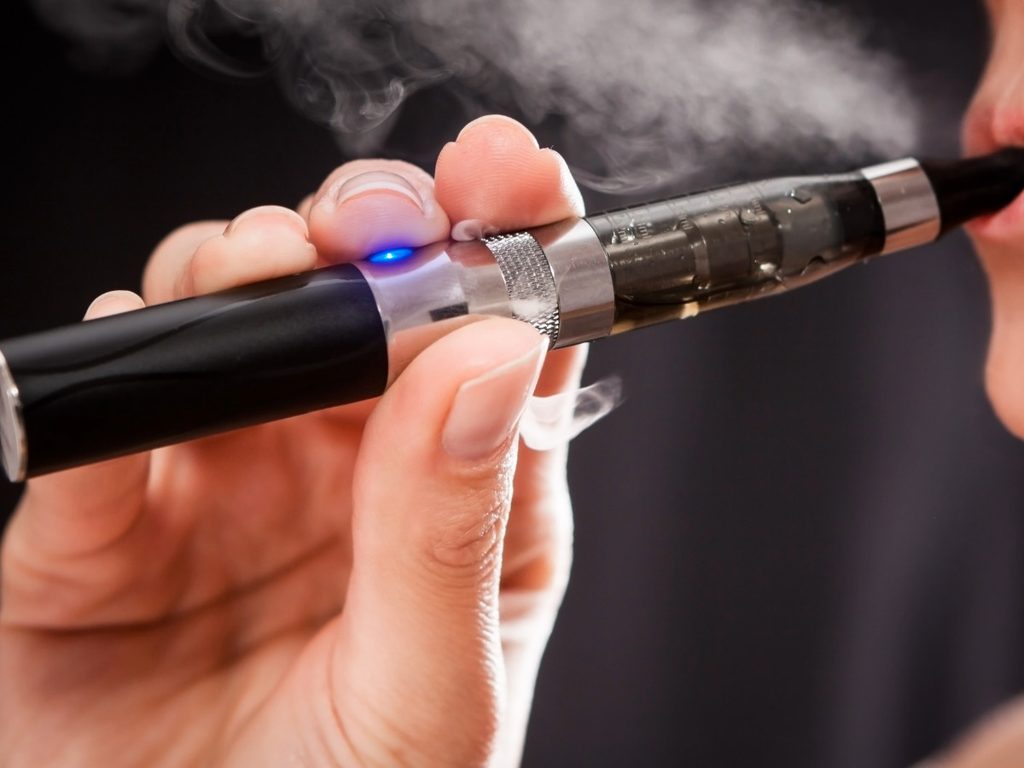
Instead of burning tobacco, a battery heats an e-liquid and produces an aerosol you inhale.
E-liquids can contain propylene glycol, vegetable glycerin, flavourings and nicotine. But that does not mean it is free from harmful substances. When you heat it, it can produce.
Here’s a quick comparison:
| Feature | Smoking Cigarettes | Vaping Nicotine |
|---|---|---|
| How it works | Burns tobacco | Heats e-liquid |
| What you inhale | Smoke containing tar, carbon monoxide and toxic chemicals | Aerosol containing fine particles and potentially harmful chemicals |
| Nicotine | Usually present | Present in many products; strength varies |
| Addiction risk | High | High with nicotine-containing products |
| Long-term health risks | Well-established links to cancer, heart and lung disease | Long-term risks are still being studied |
| Smell | Strong and often lingering | Usually less persistent, but still noticeable |
| Secondhand exposure | Harmful tobacco smoke | Aerosol that can expose others to chemicals |
Vaping vs Smoking In The Context of Greater Health Risks
It has been established that Smoking carries greater health risks, including cancer and cardiovascular disease. According to Health Canada, , cigarette smoke produces thousands of harmful substances.
Vaping also produces toxic chemicals but in smaller amounts. Because there is no tobacco combustion.
But the aerosol that is produced from heating e-liquid can carry irritating chemicals and traces of metals and affect the body.
Some affected users generally report coughing, throat irritation, headaches or nausea.
However, there are no decades of evidence to show what happens after prolonged vaping.
The 2019 vaping-related lung injury outbreak raised further concerns. US investigations linked many cases to illicit THC vaping products containing vitamin E acetate. Those findings shouldn’t be confused with the risks of every regulated nicotine vape.
Less harmful doesn’t mean safe. Keep this worth remembering while comparing vaping versus smoking.
Smoking vs Vape Habits: Smell, Cost and Rules
Health is one of the key differences people consider.
Cigarette smoke often lingers on clothing, furniture, and car interiors. While e-cigarette vapour typically produces a faint, shorter-lasting odour. However, flavoured vapour can still be noticeable indoors.
Furthermore, secondhand exposure should not be overlooked. Tobacco smoke poses a known health risk. Vaping also carries fewer harmful chemicals, but this might still expose nearby people to nicotine and other substances as well.
Cost is another consideration.
Although a vaping device may feel expensive initially, after that the cost depends on usage.
In Canada, the rules also differ across provinces.
Federal rules cap nicotine levels in vaping products at 20 mg/mL. Each province sets its own age limits and public vaping restrictions.
Smoking and vaping are prohibited in many public spaces, including school properties and playgrounds.
What About Cannabis and CBD Vapes?
Cannabis vapes use cannabis extracts containing cannabinoids such as THC or CBD.
THC can get you high and impair coordination. But CBD generally doesn’t produce a high, although it still carries potential health risks.
In Canada, cannabis vaping products fall under the Cannabis Act and related regulations. Adults who choose a vape should confirm that a weed dispensary is properly licensed before purchasing products.
If you’re curious about devices, this guide explains how to use a CBD vaporizer pen and the precautions worth considering.
Remember that inhaling cannabis aerosol isn’t risk-free either.
Frequently Asked Questions
Is vaping better for you than smoking?
For individuals who smoke, fully switching to regulated vaping products is generally less harmful than continuing to smoke cigarettes.
Still, vaping has health risks, and non-smokers have no reason to start.
Is vaping allowed wherever smoking is banned?
Not necessarily. Many Canadian provinces restrict vaping in the same public spaces as smoking. Check provincial and local authority rules before using either product.
The bottom line:
Cigarettes have well-known health risks, while vaping exposes users to fewer toxins from burning tobacco. However, its long-term effects are still not fully understood. For current smokers, switching completely may help reduce harm. But if you don’t smoke, neither option offers health benefits.
This comparison is for Canadian adults of legal age and isn’t an encouragement to start using nicotine.