
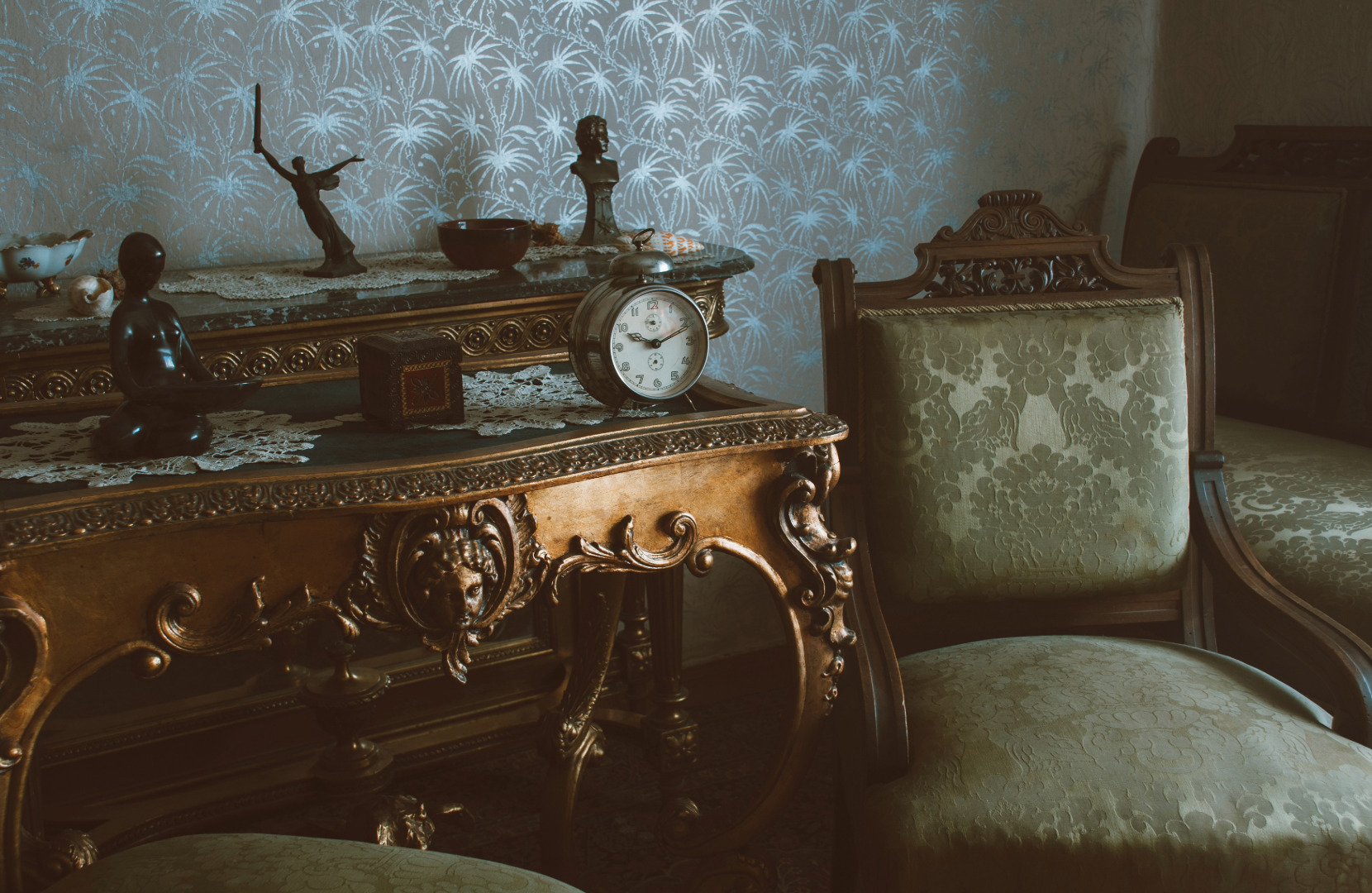
However, every piece of furniture cannot be treated the same as other belongings when moving to a new home. But if it is an antique piece of furniture, it requires a different level of care. Because you are handling one that may have weakened old joints, the glue may have dried out, and the dowels may loosen. A once-tight mortise-and-tenon joint may start to shift slightly. A small mistake can cause a crack when lifting, pushing, or handling.
In addition, its material and finish are just as important. Shellac, hand-rubbed oils, and aged wood surfaces react strongly to heat, cold, moisture, and rough handling. A small scratch on a modern table may be easy to fix, but on an antique, it can remove years of natural patina in seconds.
Antiques also often include delicate materials such as veneer, inlay, marquetry, marble, or glass. Each one can be damaged differently, and repairs are rarely simple. Since many antique pieces are unique or no longer replaceable, the risk is much higher. A damaged modern dresser can be replaced. A cracked antique sideboard from the 1920s may need costly restoration, and in some cases, the damage may never fully disappear.
So make sure the hands that handle antique furniture are skilled.
Prepare Antique Furniture Before Moving Day
Preparation is where most of the protection actually happens, whether you are doing it alone or with a professional furniture mover.
- Clean gently before wrapping. Dust trapped under a moving blanket can grind against the finish for hours, leaving fine scratches you won’t notice until you unpack.
- Photography of every piece from a few angles. This documents its condition before the move, which matters for insurance if anything happens along the way.
- Measure the furniture and every doorway, hallway, and staircase along the path out. If a dresser that’s an inch too wide for a hallway turn. You must know about it before moving day. Otherwise, it can lead to a major problem during the move.
- Remove drawers, shelves, glass panels, and mirrors. Wrap and move these separately.
- Bag all hardware, screws, knobs, and hinges, and tape the bag to the underside of the piece. Loose hardware is one of the most common casualties of a move.
Best Packing Materials for Antique Furniture
Not all packing materials work the same way on old wood, and the wrong one can cause more damage than skipping it altogether.
| Material | Best For | Why It Works |
| Furniture blankets | Wood surfaces, first layer | Cushions the piece and goes directly against wood without trapping moisture |
| Acid-free packing paper | Carved detail, inlay | Protects fine detail without transferring ink onto the finish |
| Bubble wrap | Glass, marble, carved edges | Absorbs impact over the blanket layer; never placed directly on bare wood |
| Foam padding/corner guards | Legs and corners | Takes the impact these vulnerable points usually absorb during loading |
| Stretch wrap | Holding padding in place | Secures blankets without touching the wood underneath |
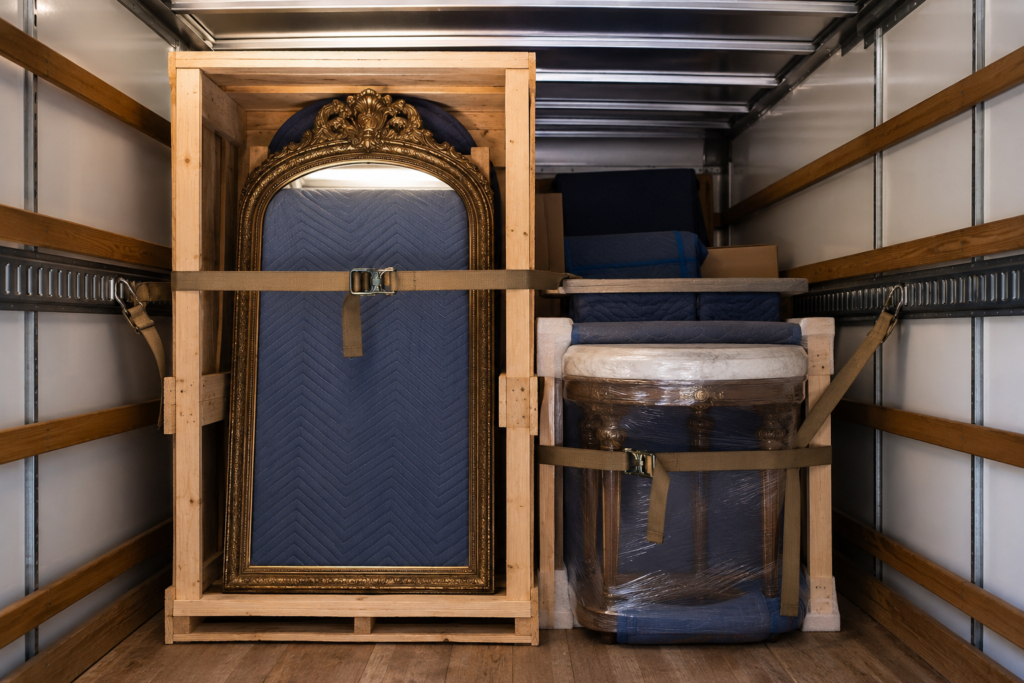
| Custom crates | Marble tops, large mirrors | Fully rigid protection for pieces that can’t risk any flex or pressure |
| Furniture/mattress covers | Cabinets, upholstered pieces | Shields fabric and finish from dust and scuffing in transit |
| Sturdy boxes | Drawers, hardware, small parts | Keeps small, easily lost pieces organized and uncrushed |
Safe Moving Techniques for Handling Antique Furniture While Shifting
Technique matters as much as materials. That’s what makes the difference between DIY and a professional furniture moving service.
- Lift furniture instead of dragging it. Dragging puts sideways stress on legs and joints that were never built for it, and it can carve up your floors along the way.
- Disassemble a large piece into as many small pieces as possible. Removable legs, headboards, and tabletops travel much better in parts.
- Protect the path itself with floor runners and padding on door jambs and tight corners.
- The load sequence inside the truck also matters. Heavy, sturdy furniture goes before the Fragile antiques. So that nothing is stacked on top in the end.
Common Mistakes That Damage Antique Furniture
- Wrapping plastic straight against wood, which traps moisture and can strip the finish
- Ignore the padding on corners and legs because it’s “just a short trip”
- Moving with drawers still full, which adds weight and throws the piece off balance
- Using thin, repurposed boxes for fragile hardware and small parts
- Loading the truck with no plan for what goes where
- Ignoring the weather. A marble top or veneer piece sitting in a hot truck on a Calgary summer afternoon, or freezing air in January, can crack or warp faster than most people expect
When Professional Help Makes Sense
Believing you can handle the Antique piece without knowing the right technique and using improper supply materials poses a real risk to its financial or sentimental value. Professional furniture-moving services\ often offer additional coverage for high-value items as well. They handle antiques regularly – know how to build a crate on site, how to load securely inside the truck, and how to minimize the damage if any happens without making it worse. If you’re already booking full-service movers and packers to move your home, it’s worth asking whether the crew has specific experience with antiques. Not every team does.
If you are looking, here are the top 10 tips for hiring a moving company.
Final Thoughts
Whether it is moving antique furniture or other valuable items, how it comes down safely depends on secure prep, quality materials, the right order, and the right technique for handling and loading, with a plan. Get those right, and the pieces that have already survived a few decades will make it through one more move intact.